
Introduction
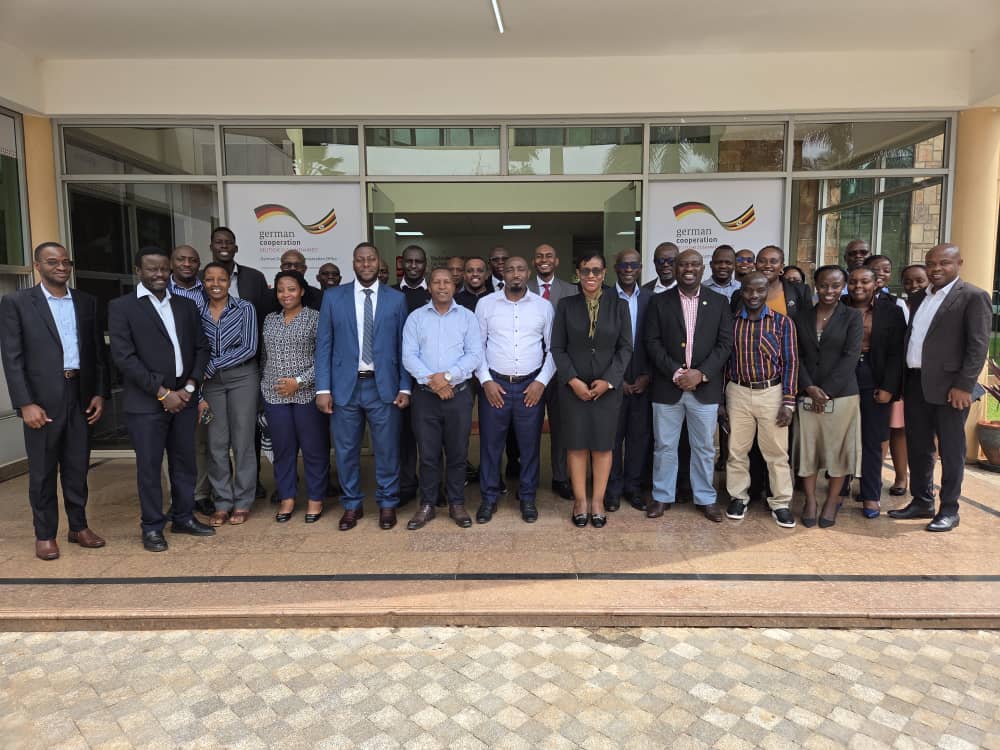
The East African Business Council (EABC) participated in the Uganda National E-Commerce Engagement Platform (NEEP) meeting in Kampala on March 19-20, 2026. The meeting convened public and private sector stakeholders to strengthen Uganda’s digital trade ecosystem and advance the EAC e-commerce strategy, adopted in July 2022.
The objectives included:
- Building stakeholder capacity to collect baseline data to monitor e-commerce progress across the EAC.
- Reviewing frameworks for capturing and publishing e-commerce statistics for regional harmonization.
- Presenting findings from national consultations to improve cross-border digital trade regulations.
- Sharing knowledge on consumer protection, trust mechanisms, and digital payment infrastructure.
The EAC strategy emphasizes enhancing growth capacities, improving legal frameworks, and building trust in digital trade. Robust monitoring and evaluation (M&E) tools and periodic reporting of key performance indicators are critical for tracking progress.
The public-private dialogue was organized by the EAC Secretariat in partnership with the Ministry of Trade, Industry and Cooperatives, Ministry of EAC Affairs, GIZ, government agencies, and private sector actors in Uganda’s e-commerce ecosystem.
Status Updates on EAC E-Commerce Strategy Implementation in Uganda
- Government of Uganda: Developing a National E-Commerce Strategy aligned with the EAC framework. The inception report has been validated, and stakeholders will review the draft strategy.
- Uganda Communications Commission (UCC): Expanding internet coverage, reducing service costs, subsidizing communications in underserved areas, training users, and addressing electronic fraud. Persistent challenges include high data costs, expensive smart devices, and fraud.
- Housing Finance Bank: Supporting trusted digital trade through secure payment solutions, fraud prevention, and data protection measures.
- Alliance for Digital Trade, E-Mobility & Couriers (ADEC): Highlighted structural challenges including double taxation of e-commerce platforms, exclusion of courier operators from policy dialogues, and inadequate complaint mechanisms. Recommended tax reforms, structured consultations, and stronger data protection frameworks.
- Posta Uganda: Partnered with Mail Americas for international shipments and developed a platform for local sellers. Challenges include high internet costs, unreliable electricity, and lack of platform interoperability.
- National Information Technology Authority – Uganda (NITA-U): Discussed the AfCFTA Digital Trade Protocol, emphasizing digital identity, data hosting, payments, cybersecurity, and consumer protection.
- Makerere University Business School (MUBS): Proposed curriculum updates to support e-commerce education and research to inform policy development and monitoring.
Key Discussions and Recommendations
- Baseline Data Collection: Reviewed M&E tools and identified gaps in Uganda’s baseline data. Accurate and timely data is critical for measuring progress against the EAC strategy.
- E-Commerce Statistics Framework: The EAC Secretariat presented a concept for a regional framework to harmonize data collection and reporting.
- Cross-Border Digital Trade Regulatory Framework: Challenges identified include fragmented data protection regimes, high taxation, inefficient customs processes, and limited consumer protection. Recommendations included:
- Mutual recognition of electronic signatures
- Harmonized data protection frameworks
- Modernized customs systems
- Strengthened consumer protection mechanisms
- Consumer Protection and Trust Mechanisms: Emphasized trust seals, dispute resolution systems, and technical support for SMEs as essential for building confidence in e-commerce.
Conclusion
The meeting concluded with a clear call for collaborative action among governments, private sector actors, and regional partners to advance digital trade. Stakeholders underscored that trust, consumer protection, and affordable digital payment systems are foundational to a robust e-commerce ecosystem.