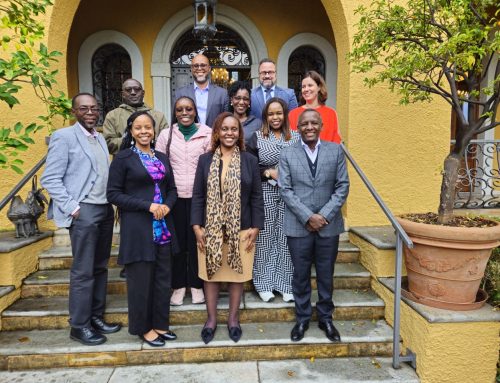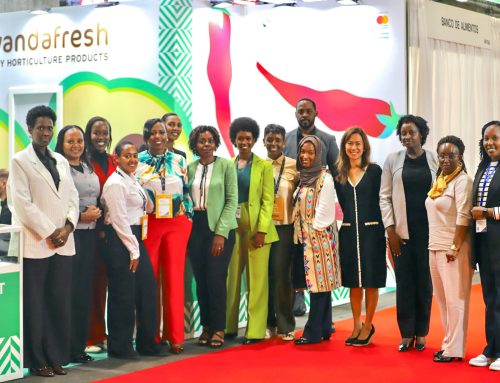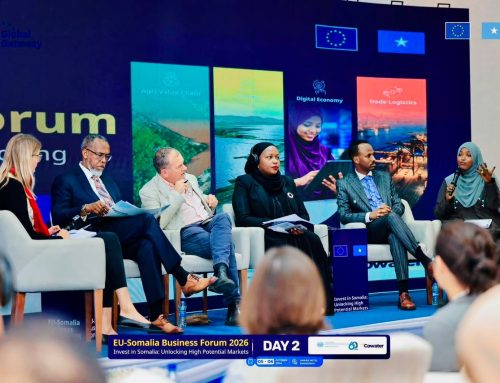
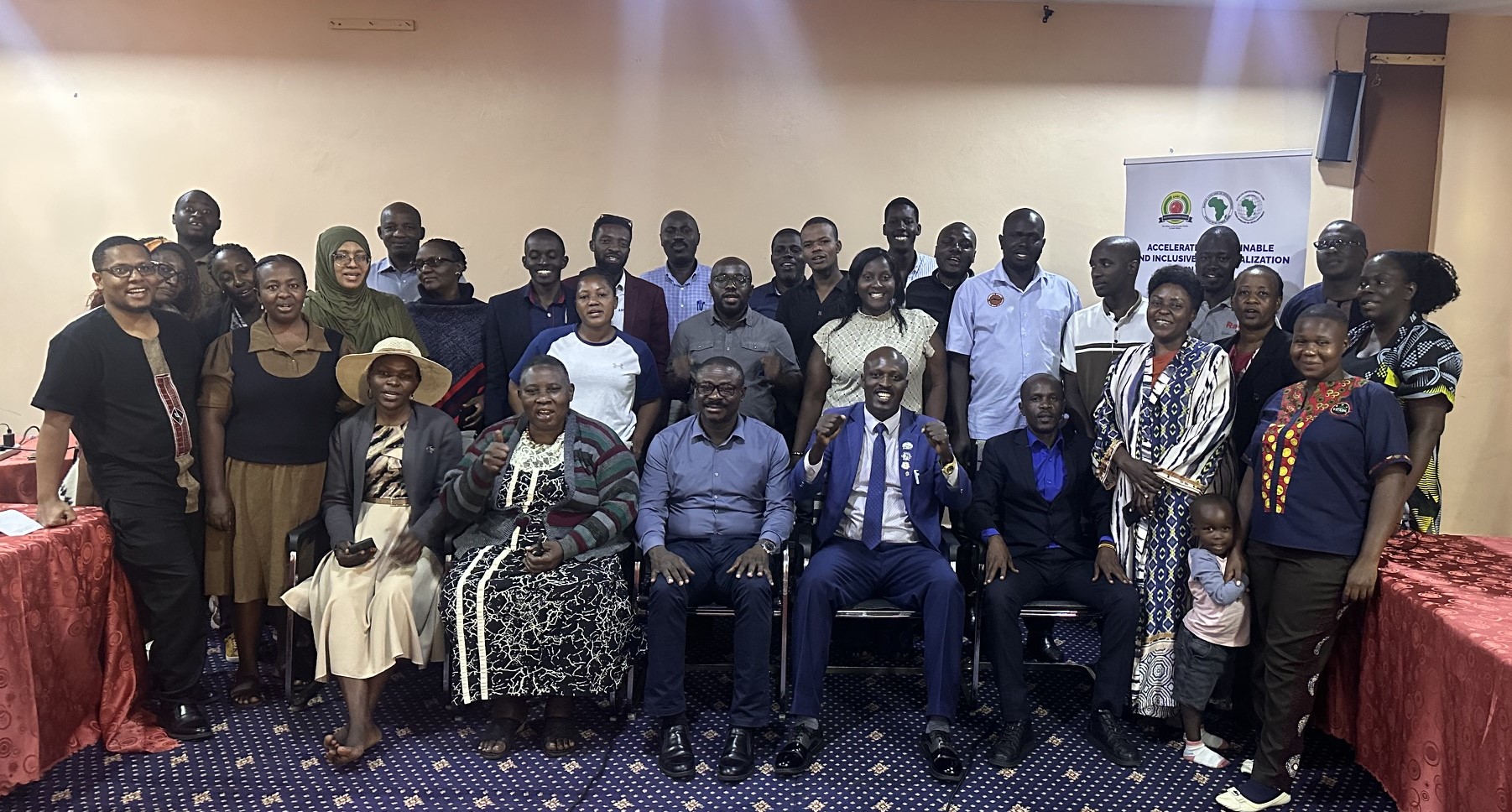
The East African Business Council (EABC), with support from the African Development Bank (AfDB) through the Fund for African Private Sector Assistance (FAPA), under the project “Accelerating Sustainable and Inclusive Industrialization in the East African Community (EAC),” empowered 100 enterprises in the textile, edible oil, and leather sectors with knowledge on accessing the African Continental Free Trade Area (AfCFTA) market, following the successful roll-out of the Tanzania and Uganda Business Clinics.
Delivering remarks at the Uganda Business Clinic, Mr. Jared Owen Nankunda, CEO of Promise Leather Works Ltd and Project Steering Committee Member, called for increased value addition to the region’s raw materials to unlock greater value from the growing global leather market.
He noted that in 2023, EAC Partner States exported raw hides and skins worth USD 33 million, while imports stood at USD 6 million. Globally, finished leather trade grew from USD 57 billion in 2005 to USD 99 billion in 2024, yet the EAC accounts for less than 1% of global leather exports and imported USD 49 million worth of leather goods. He urged East African countries to invest in processing and manufacturing to move beyond exporting raw materials and capture a larger share of the global leather value chain.
Speaking on behalf of EABC Executive Director Mr. Ahmed Farah, Mr. Adrian R. Njau, EABC Trade & Policy Advisor, noted that EABC, as the onboarding agent for the Afreximbank Africa Trade Gateway (ATG), will support companies to join the platform, enabling access to business-to-business matchmaking opportunities, market intelligence, and trade finance solutions to facilitate trade under the AfCFTA.
The textile, leather, and edible oil value chains continue to face challenges, including low value addition, limited processing capacity, high production costs, skills gaps, regulatory misalignment, and constrained access to finance.
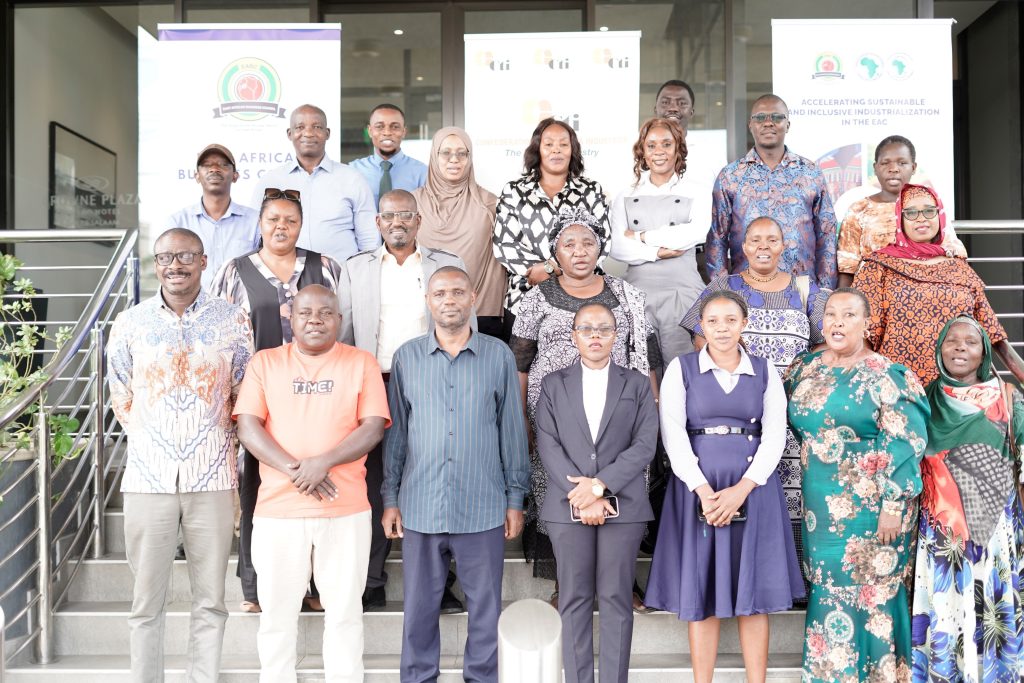 The Business Clinics provided practical training on AfCFTA market opportunities, Rules of Origin, tariff concessions, customs procedures, and export requirements, alongside one-on-one advisory support on market entry strategies and export readiness to expand into African markets.
The EAC Industrialisation Strategy 2012–2032 seeks to increase the local value-added content of resource-based exports from 8.6% to 40% and raise intra-regional manufacturing exports from 5% to 25% by 2032 through stronger regional value chains. The region presents significant investment opportunities, including the need for at least 93 additional weaving mills to meet growing textile demand, while the leather sector captures less than 1% of global leather trade, despite the EAC accounting for 4% of the world’s cattle and 6% of its small ruminants. Global trade in raw hides and skins fell from USD 6.2 billion in 2005 to USD 3.3 billion in 2024, and semi-processed leather declined from USD 22 billion to USD 12.4 billion over the same period, while finished leather grew from USD 57 billion to USD 99 billion. According to the ITC Export Potential Map, East African businesses also have substantial untapped export opportunities worth USD 298 million for apparel and textiles in South Africa, USD 63 million for vegetable oils and fats in India, and USD 17 million for leather products in Uganda.