South Sudan Urged to Accelerate EAC Integration and Position Itself as a Regional Hub for Investment, Production and Trade
Juba, South Sudan, Monday, 31st August 2026 :- South Sudan has been urged to accelerate the implementation of its East African Community (EAC) commitments and position itself as a strategic hub for investment, production, manufacturing and regional value chains.
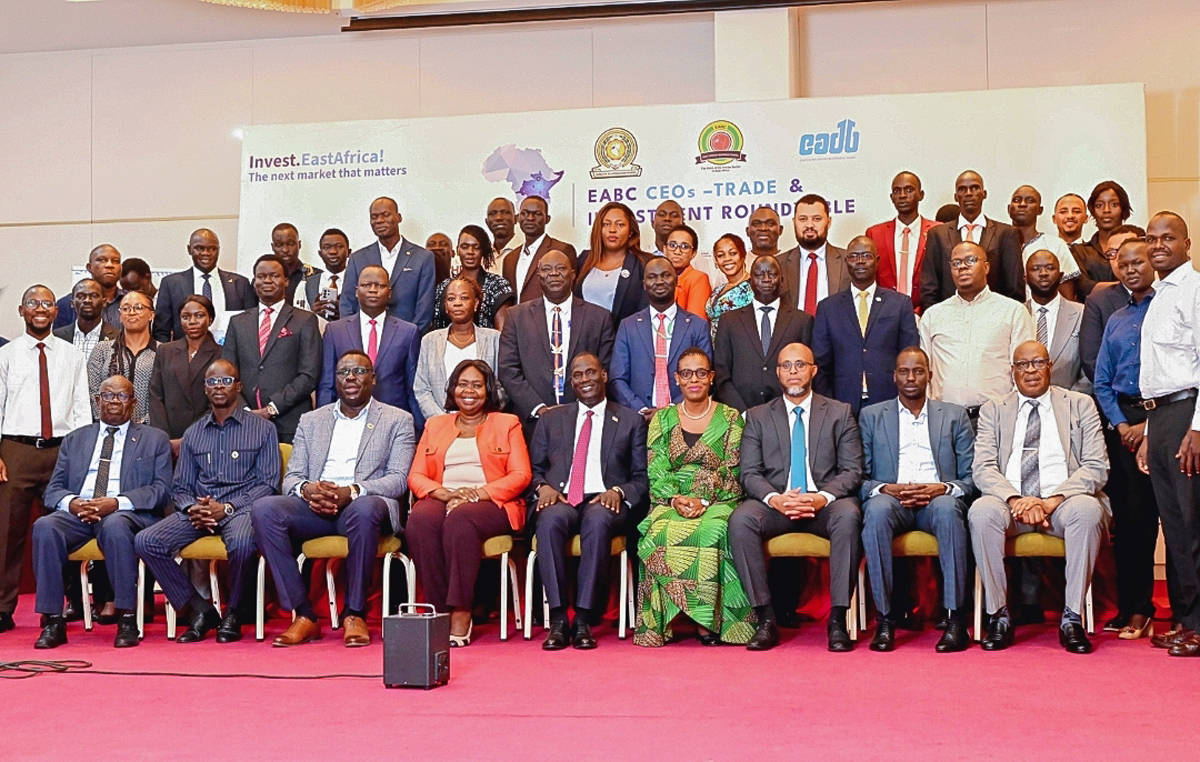
The call was made at the EABC CEO’s Trade and Investment Roundtable in Juba, convened by the East African Business Council (EABC) in partnership with the South Sudan Chamber of Commerce, Industry and Agriculture (SSCCIA) and GIZ bringing together government, private-sector leaders and regional stakeholders to identify practical measures for unlocking trade and investment opportunities.
Hon. Annette Mutawe Ssemuwemba, Deputy Secretary General of the EAC Secretariat, urged South Sudan’s public and private sectors to accelerate the coordinated and consistent implementation of EAC commitments to position the country as a strategic hub for investment, production, manufacturing and regional value chains. She applauded H.E. President Salva Kiir Mayardit, President of the Republic of South Sudan, for assenting to the EAC Treaty on 22 April 2026,.
She highlighted progress in strengthening South Sudan’s legal and institutional foundations for integration, including the EAC Treaty Establishing Act, 2026, customs reforms and the Nimule–Elegu One Stop Border Post. She urged further implementation of the EAC Customs Union, Single Customs Territory, Common External Tariff, Rules of Origin and Common Market commitments.
Hon. Ssemuwemba also identified policy predictability, removal of non-tariff barriers, harmonised procedures, efficient trade facilitation and integration of services—including transport, finance, insurance, ICT, tourism and professional services—as essential to reducing the cost of doing business and attracting investment.
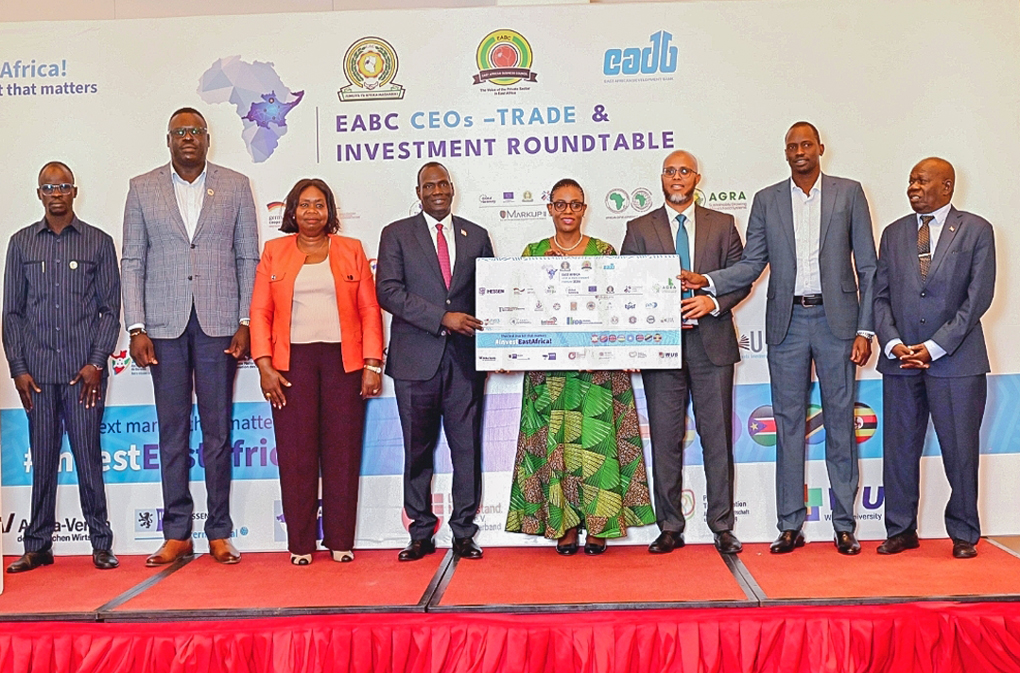
In his remarks, Hon. Amb. John Lual Akol Akol, Chairperson of EABC, called for stronger government–private-sector collaboration to remove barriers to trade and investment and strengthen South Sudan’s participation in the EAC market.
“We must move from regional commitments to practical action by removing barriers, improving connectivity and creating an environment where businesses can trade, invest and grow across East Africa.” said Hon. Amb. Akol.
He identified NTB resolution, implementation of EAC commitments, tax and regulatory harmonisation, improved transport and border procedures, access to finance and stronger regional value chains as priorities for enhancing competitiveness.
Mr. Ahmed Farah, Executive Director of EABC, said the EAC offers South Sudan access to a regional market of more than 331 million people and a combined economy of approximately US$357 billion, creating significant opportunities for trade and investment.
“South Sudan’s future cannot be imported. It must be produced, financed and built here, and then traded across East Africa.”
He urged South Sudan to use its import demand to identify local investment and production opportunities, particularly in livestock, agriculture, fisheries, manufacturing, construction materials, logistics, tourism, finance and digital services. He also called for economic diversification and stronger agricultural investment in irrigation, processing, storage and value addition.
Mr. Farah further urged businesses to become more bankable and investment-ready, while encouraging financial institutions to expand access to working capital, equipment finance, insurance, leasing and digital payment solutions.
Hon. Dr. Woda Jeremiah Odok, Member of the East African Legislative Assembly (EALA), representing the South Sudan EALA Chapter Chairperson, Hon. Kennedy Aysason Mukulia, emphasised the role of Parliament in harmonising national legislation with EAC laws, strengthening oversight and removing barriers to trade and investment.
She highlighted the need to align national tax and business laws with EAC frameworks, strengthen trade statistics and harmonise standards. She also called for stronger NTB reporting and resolution mechanisms, faster implementation of One Stop Border Posts, pre-arrival customs clearance and adoption of the Authorized Economic Operators Programme.
She further emphasised access to finance and digital payments, particularly for women traders, as well as local production, value addition, improved roads, border infrastructure, digital connectivity, manufacturing, logistics and reliable energy.
Representing the Undersecretary, Mr. John Deng, Ag. Director General for Social and Political Affairs, stated that South Sudan has waived registration requirements (Alien Pass) for EAC citizens. He urged the private sector to report non-tariff barriers, including unlawful roadblocks and other impediments, to improve the efficiency of regional trade corridors.
Mr. Kur Nyok Deng, Secretary General, SSCCIA, called for stronger government–private-sector collaboration to identify business constraints, unlock investment opportunities and develop practical policy solutions. He reaffirmed the Chamber’s commitment to working with Government, EABC and the EAC to translate dialogue into investment, jobs and economic growth.
Hon. Wieu Wieu Mou, Deputy Chairman and Secretary General of SSCCIA, said regional integration offers opportunities to expand businesses, attract investment, create jobs and access wider markets. He highlighted potential in agriculture, manufacturing, energy, infrastructure, transport, logistics and services, and called for stronger government–private sector cooperation to address transport costs, infrastructure gaps, access to finance and border challenges.
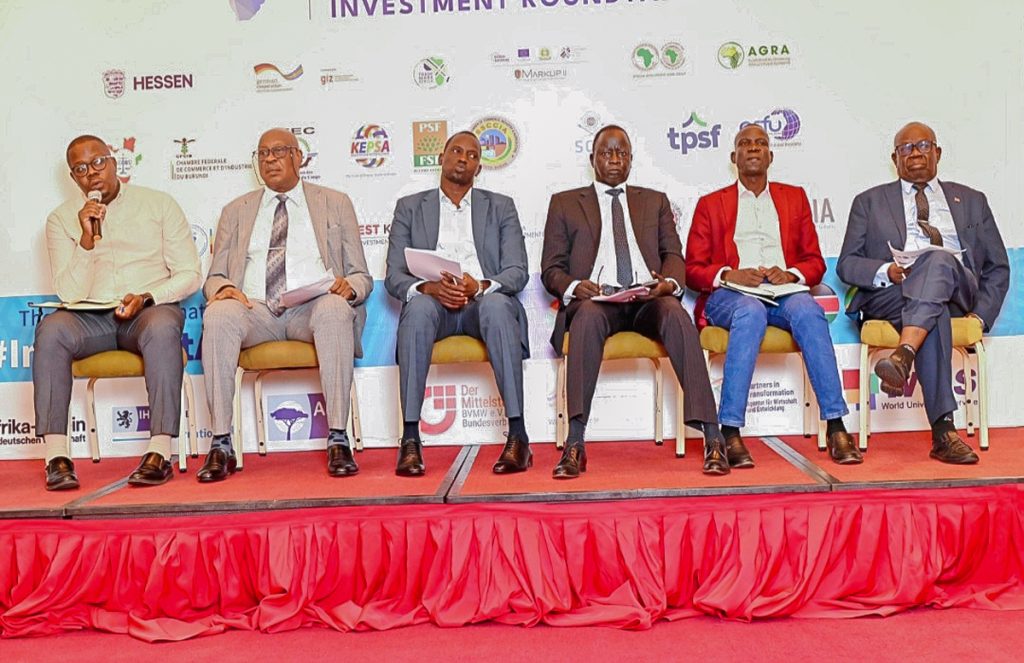 The panel session, “South Sudan’s Integration into the EAC and Private Sector Perspectives on Boosting Intra- and Extra-EAC Trade and Investment,” highlighted significant opportunities for South Sudan to deepen EAC integration, attract investment and strengthen its role in regional trade and value chains.
With accelerated implementation of EAC commitments, South Sudan can improve trade facilitation, reduce business costs and create a more predictable investment environment. The country has strong potential in agriculture, livestock, fisheries, renewable energy, ICT, tourism, logistics and manufacturing, providing a strong foundation for diversification, value addition and job creation.
The panel emphasised priorities including operationalising EAC Customs Union and Single Customs Territory arrangements, strengthening Rules of Origin, digitising customs, improving border infrastructure and strengthening NTB resolution mechanisms.
Participants also called for greater access to finance, insurance, leasing and digital payments, alongside increased investment in agricultural mechanisation, irrigation, storage, agro-processing and regional distribution.
Improved transport, energy and digital connectivity, as well as stronger standards and certification, will further enable South Sudanese businesses to access regional markets. Tourism also presents significant opportunities through the country’s national parks and Boma–Badingilo Migratory Landscape.
The panelist emphasized South Sudan’s next decade in the EAC should be a decade of implementation, production, value addition, investment and exports.
The panelist were: Mr. Gabriel Mabior Chiping, Noble Safaris Enterprises; Mr. Mawa Mosez Nigo, Skyna Freight/M+A Haulage; Dr. Benjamin Miklele, Hope Modern Farm Company Limited; Mr. Joseph Abuni Gama, CEO, Summit Works Africa; Mr. Osama Mohamed Bilal, Managing Director, Nile Commercial Bank and EABC Board Member; Mr. John Deng, Ag. Director General, Social and Political Affairs, Ministry of EAC Affairs, Republic of South Sudan; and Mr. Stephen Mataiata, Director General, External Affairs, Ministry of Trade and Industry. The session was moderated by Ms. Hidaya Mkwizu, Head of Membership and Commercial, EABC.
By EABC