Dar es Salaam, Tanzania, 30th June 2026: Tanzania is leading the EAC in terms of issuance of Certificates of Origin under the African Continental Free Trade Area (AfCFTA) trading arrangement. According to an analysis of trade performance under AfCFTA, by June 2025 Tanzania had issued 392 certificates of origin, ranking first in the EAC and third across the continent. In 2024, Tanzania’s exports under AfCFTA were USD 3.9 billion.
South Africa ranked first on the continent, issuing 4,658 certificates, followed by Egypt (2,852). Other EAC Partner States which performed well include Kenya, which issued 112 certificates, and Rwanda, which issued 29 certificates of origin. By June 2025, a total of 8,563 certificates had been issued by AfCFTA State Parties. The issuance of AfCFTA certificates of origin demonstrates that EAC countries are taking advantage of the preferential tariff treatment provided by the AfCFTA trading arrangement.
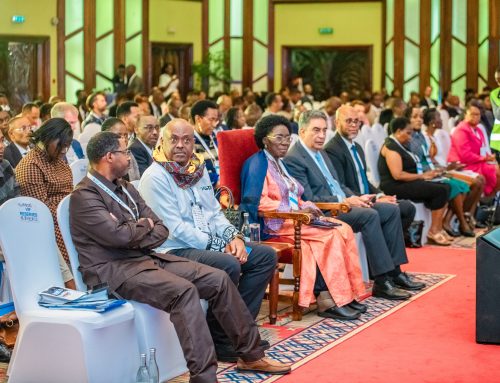
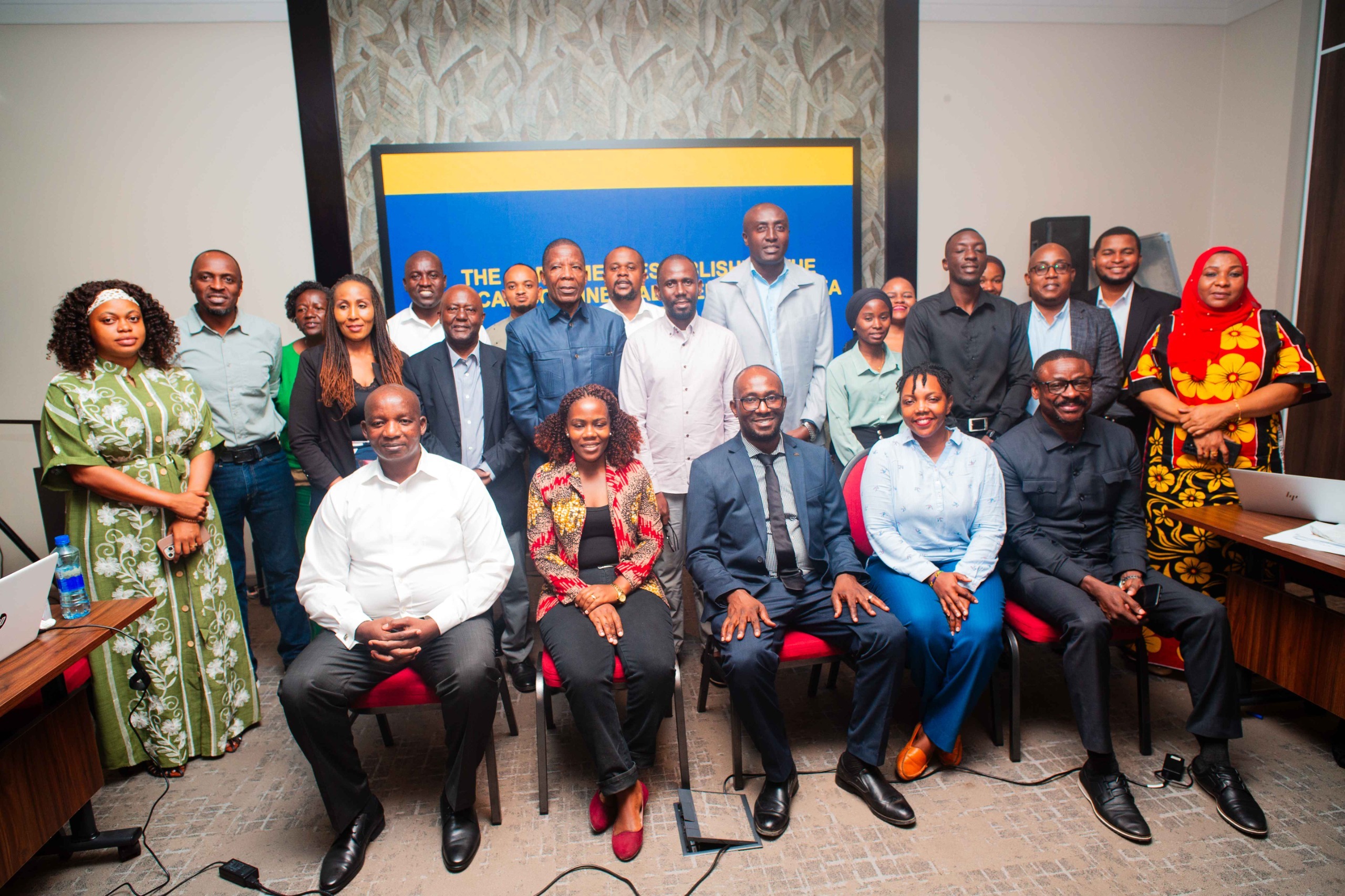
This was revealed during a three-day capacity-building workshop on AfCFTA for the Tanzanian private sector, organized by the East African Business Council (EABC) in collaboration with the Tanzania Private Sector Federation (TPSF) and in partnership with GIZ. The workshop convened over 40 Tanzanian enterprises, who enhanced their knowledge of the African Continental Free Trade Area (AfCFTA) Trade in Goods Protocol.
The enterprises were from manufacturing, agriculture and agro-processing, cosmetics, arts and crafts, trading, freight forwarding, and transport and logistics sectors, among others.
 In his opening remarks, Mr. Deogratius Massawe, Chief Executive Officer of TPSF, urged enterprises to discuss and identify key barriers inhibiting them from unlocking the full potential presented by the AfCFTA market of 1.3 billion consumers.
Some of the main products Tanzania exports to AfCFTA markets include sisal fibre, float glass, insecticidal mosquito nets, rice, coffee, fruits, and vegetables. The new AfCFTA markets for Tanzania are Ghana, Morocco, Senegal, Ethiopia, Algeria, Guinea, and Nigeria.
 EABC Executive Director’s remarks, delivered by Mr. Adrian Njau, Trade & Policy Advisor of EABC, called upon the private sector to work closely with the government in identifying new markets and Tanzanian products with unrealized potential on the continent.
 Mr. Lamech Wesonga, Economic Policy Advisor on AfCFTA for the EAC at GIZ, stated that GIZ is committed to supporting private sector awareness of the AfCFTA Agreement and its Protocols to ensure EAC businesses are front-runners in taking advantage of the opportunities presented by AfCFTA markets.
The three-day workshop focused on the AfCFTA Agreement, the Protocol on Trade in Goods and its Annexes, as well as the opportunities and challenges associated with accessing AfCFTA markets.Enterprises also learned about key EAC trade instruments, including the EAC Common External Tariff (CET) and the Simplified Trade Regime (STR), which facilitates easier access to simplified certificates of origin and trade documentation for small-scale cross-border traders within the EAC.