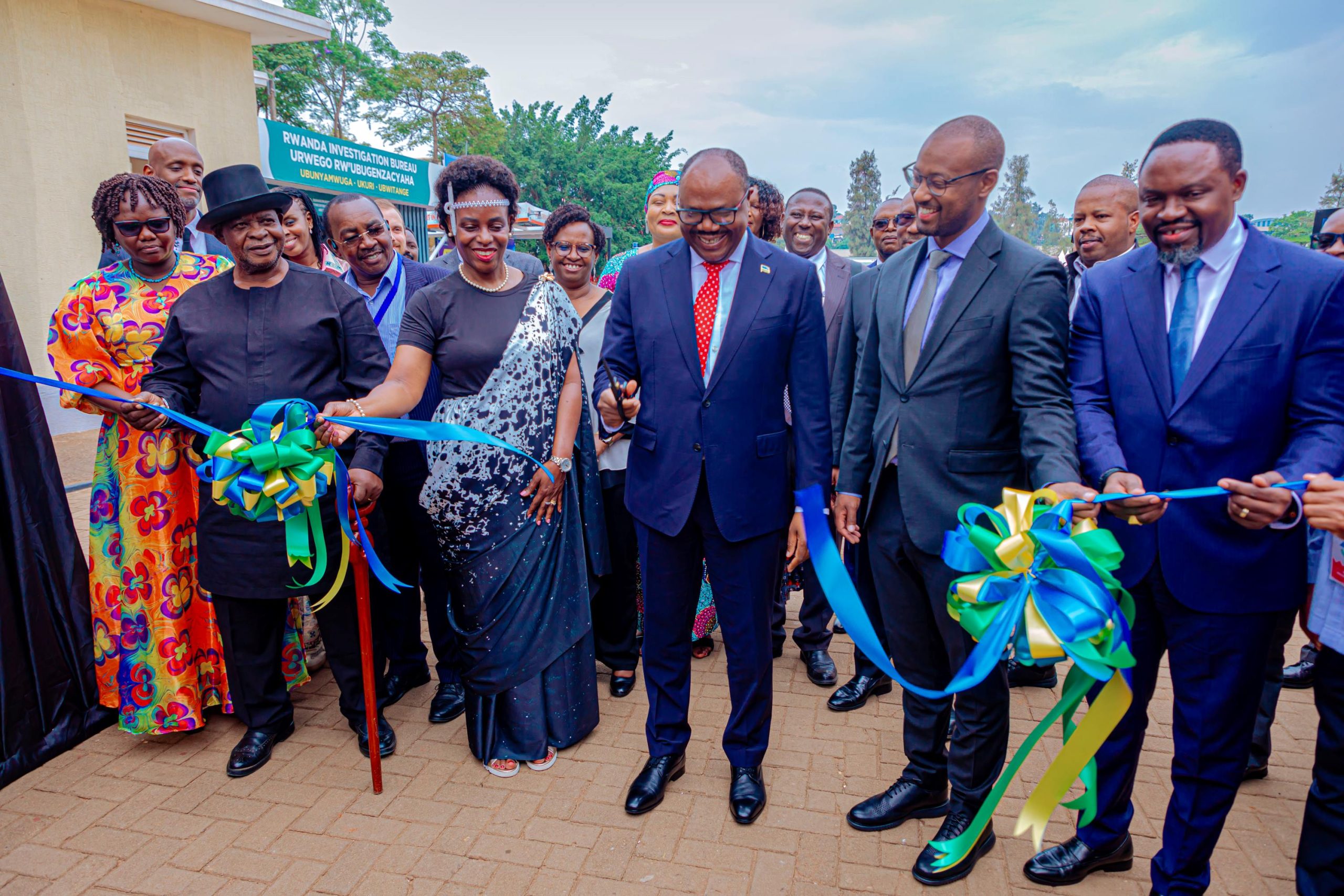
Kigali, Rwanda | Tuesday, 3 November 2026: The 26th East African Community (EAC) Micro, Small and Medium Enterprises (MSMEs) Trade Fair 2026 was officially opened on 3 November 2026 at the Gikondo Expo Grounds in Kigali, Rwanda. The event brought together more than 3,000 exhibitors from seven EAC Partner States to showcase their products, explore new markets and establish business partnerships.
Held from 3 to 8 November 2026 under the theme “Advancing Regional Value Chains in Leather and Horticulture,” the Trade Fair highlighted the importance of value addition, regional production networks and stronger market linkages in enhancing the competitiveness of East African enterprises.
The opening ceremony brought together the Prime Minister of Rwanda, government ministers, the EAC Secretariat, representatives of Partner States, private-sector organisations, development partners and entrepreneurs from across the region.
Officially opening the Trade Fair, the Prime Minister of the Republic of Rwanda, Rt. Hon. Dr. Justin Nsengiyumva, called on EAC Partner States to strengthen efforts to ensure that businesses, particularly MSMEs, benefited from the opportunities offered by regional integration.
He emphasised the need for entrepreneurs to access customers, source inputs and move goods efficiently across the region. He urged governments to address non-tariff barriers, simplify customs procedures, improve transport and logistics infrastructure, and expand access to affordable trade finance.
He also underscored the role of digital platforms, e-commerce and interoperable payment systems, including the EAC payment system and the Pan-African Payment and Settlement System, in making cross-border transactions faster, cheaper and more accessible.
The Prime Minister encouraged financial institutions to develop financing solutions suited to MSMEs and called on large manufacturers, hotels, retailers and other major buyers to integrate capable small businesses into their supply chains. He further urged exhibitors to use the Trade Fair to identify buyers, explore markets and establish lasting commercial partnerships.
In her remarks, Ms. Flavia Busingye, Director of Customs and Trade at the EAC Secretariat, highlighted the Trade Fair’s evolution from a modest regional exhibition into an important platform for entrepreneurship, investment, innovation and regional trade.
She recalled that the first exhibition was held in Arusha, Tanzania, in November 1999, alongside the signing of the Treaty for the Establishment of the East African Community, and attracted 134 exhibitors. The 2026 edition brought together more than 3,000 exhibitors from seven Partner States, reflecting growing confidence in the regional market.
She noted that the Trade Fair was organised through a tripartite arrangement involving the EAC Secretariat, the Confederation of Micro and Small Enterprises Organisations for East Africa and the host Partner State.
A notable feature of the 2026 edition was the introduction of sector-based exhibitor groupings for the first time, bringing together enterprises engaged in similar economic activities regardless of their countries of origin.
In her remarks, the EAC Deputy Secretary General responsible for Customs, Trade and Monetary Affairs, Hon. Annette Mutaawe Ssemuwemba, said the approach shifted the focus from showcasing products primarily by country to connecting businesses by sector and creating opportunities for regional collaboration and stronger value chains.
The focus on leather and horticulture highlighted opportunities for enterprises to move beyond producing and exporting raw materials towards processing, manufacturing, packaging and distribution.
In the leather sector, the region had considerable potential to increase local production of finished goods, including footwear. Figures presented during the ceremony indicated that regional footwear demand was projected to reach 385 million pairs by 2030, while local factories continued to supply only a fraction of the market. This presented significant opportunities for regional manufacturers.
In horticulture, opportunities extended across production, cold-chain infrastructure, storage, packaging, processing and distribution. Developing these activities could create employment, increase exports and strengthen MSME participation in regional and international markets.
The Deputy Secretary General also highlighted progress in facilitating cross-border trade. She reported that border-crossing times had been reduced by up to 70 per cent, while the Single Customs Territory had helped reduce transit times from 18 days to four days.
She further highlighted arrangements that allowed small-scale traders to cross borders using national identity cards, reducing paperwork and easing trade. The EAC Cross-Border Payment System Master Plan was also progressing towards implementation to improve transactions between businesses across Partner States.
She noted that EAC exports to the rest of Africa had increased by 44 per cent to USD 7.2 billion, demonstrating the potential for regional enterprises to benefit from stronger value chains and access to wider African markets.
The Chairman of the Confederation of Micro and Small Enterprises Organisations for East Africa, Joseph Rwiyamu, called for greater commitment to increasing intra-regional trade. He cited figures indicating that total EAC trade reached approximately USD 156.7 billion in 2025, while intra-regional trade stood at USD 19.7 billion.
He emphasised the need to strengthen trade among Partner States and work towards the target of increasing intra-EAC trade to 50 per cent by 2030. He also encouraged exhibitors and visitors to interact, purchase locally produced goods and use the exhibition to deepen business exchanges and access international markets.
Representing the Regional Steering Committee, Dr. Joshua Mutambi, Commissioner for Processing and Marketing, Uganda, commended the Government and people of Rwanda for hosting the event. He also acknowledged the efforts of Partner States in mobilising exhibitors and coordinating the regional exhibition, and encouraged visitors to engage with exhibitors and support their businesses by purchasing their products.
The Minister of Trade and Industry of Rwanda, Hon. Antoine Marie Kajangwe, welcomed exhibitors and delegates and encouraged businesses to look beyond their domestic markets to the EAC market of more than 300 million people.
He urged entrepreneurs to exchange contacts, meet potential buyers, explore regional value chains and establish long-term commercial relationships. He also highlighted the importance of strengthening EAC competitiveness as a foundation for accessing opportunities under the African Continental Free Trade Area (AfCFTA).
During a tour of the exhibition, the Prime Minister interacted with local enterprises, including a footwear manufacturer with an annual production capacity of 6,000 pairs of shoes and an avocado oil producer with a capacity of 1,000 litres. These examples illustrated the need for targeted support, investment and access to finance to help MSMEs expand production and respond to market demand.
The Prime Minister encouraged businesses to be ambitious and reaffirmed the Government’s commitment to working with enterprises and financial institutions to support business growth.
The opening ceremony also recognised women’s contribution to regional trade through the East African Women in Trade Champions Initiative. Sixteen Champion Mentees were recognised for completing a six-month programme covering mentorship, coaching and leadership development. The initiative aimed to strengthen women’s participation in regional trade by enhancing their leadership capabilities, business networks and access to markets.
Caroline Asiimwe, Executive Secretary of the East African Kiswahili Commission, highlighted language barriers as a challenge to cross-border trade. She emphasised that effective communication was essential for building trust and enabling traders to access information on customs procedures, regulations and market opportunities. She also noted the potential of digital innovations, including artificial intelligence, to help traders access information and services in languages they understood.
Since its launch in Arusha in 1999, the EAC MSMEs Trade Fair had evolved alongside the regional integration process into an important platform for East African entrepreneurs to showcase innovations, exchange experiences, establish business partnerships and access markets beyond their national borders.
The sector-based approach introduced in the 2026 edition provided further opportunities to connect enterprises, encourage collaboration across Partner States and develop competitive regional value chains. It also enabled exhibitors to pursue concrete business opportunities through buyer engagement, market exploration, partnerships and regional supply-chain integration.