
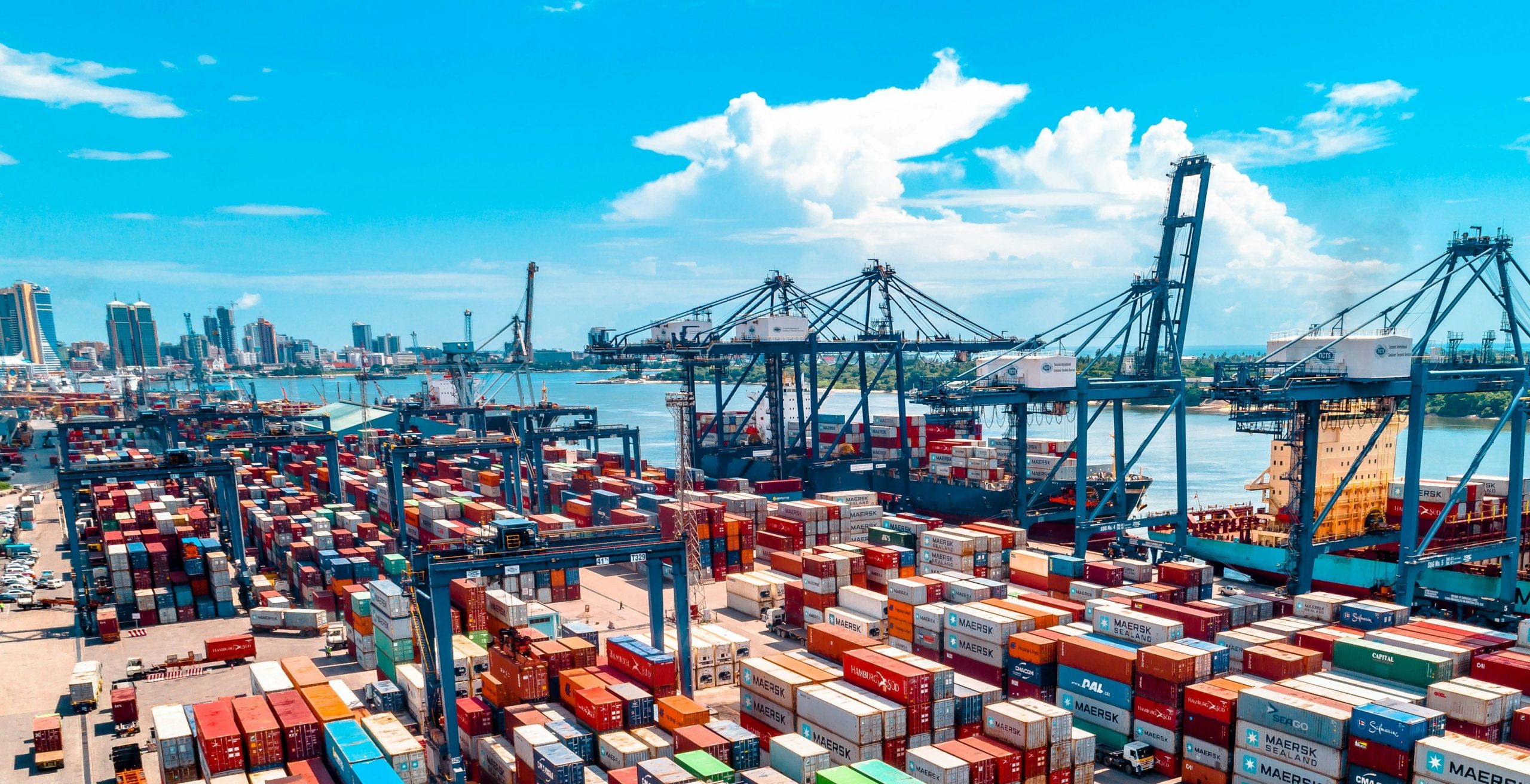
 East Africa is trading more, but businesses still cannot rely on the regional market working as one. The East Africa Trade and Investment Climate Report 2026 reveals that in 2025, total EAC trade reached USD 156.6 billion, while intra-EAC trade among Partner States stood at USD 19.54 billion. Intra-EAC trade grew by 28.2 per cent, yet its share of total trade remained about 12.5 per cent. The opportunity is clear: the region must turn a larger market into dependable access for the firms that produce, invest and trade within it.
The Community has built much of the framework needed for this: a Customs Union, a Common Market, regional institutions, common rules and substantial transport and digital infrastructure. Businesses judge these achievements by what happens in practice. Can a manufacturer source inputs across borders without unexpected charges? Will a trader’s documents and product certificates be accepted? Can an investor obtain approvals, move funds and plan production with confidence? These are the tests that matter.
The inaugural East Africa Trade and Investment Climate Report 2026 examines those questions through official and administrative data, published studies, institutional consultations and business experience. The CEO Trade and Investment Roundtables brought regional business perspectives to that evidence. Together, these sources explain where regional commitments work, where firms encounter obstacles and how reform can support investment. The report establishes a baseline for practical action, with each indicator interpreted within its stated period and coverage. Its purpose is to guide implementation across a diverse regional market, rather than produce a single ranking of Partner States.
The findings point repeatedly to an implementation gap. Frequent departures from the Common External Tariff weaken predictability. Non-tariff barriers recur. Duplicate testing, inconsistent customs valuation and unsynchronised border services add cost and delay. Ports and corridors are carrying more cargo, but weak coordination can prevent that growth from becoming reliable delivery. Limited access to finance, power supply, and non-interoperable cross-border payment systems remain significant constraints on the ability of firms, particularly smaller businesses, to compete and expand.
These constraints also shape the investment opportunity. Agribusiness needs dependable aggregation, storage, processing and market access. Manufacturers need capable suppliers, consistent standards and competitively priced inputs. Digital businesses need connectivity and trusted systems that work across borders. Logistics and energy investments need paying customers, reliable services and sound commercial arrangements. The five sector chapters therefore connect the business-climate diagnosis to opportunities for project preparation, while distinguishing commercial potential from demonstrated bankability.
The response is organised around ten regional reform priorities. The business dashboard, issue register, reform scorecard and action matrix carry these priorities through from evidence to implementation. They identify proposed institutional responsibilities, decisions, milestones and measures of progress. A reform is not complete because a meeting has been held or a statement issued. It must produce a change that businesses can experience and that can be verified.
Public institutions must make regional commitments work in daily practice. The private sector must also contribute: report barriers with credible evidence, invest in quality and productivity, prepare sound projects, develop regional suppliers and honour commercial commitments. EABC will bring these responsibilities together through sustained engagement with the EAC Secretariat, Partner States, sector institutions, financial institutions and business associations.
The East Africa Trade & Investment Climate Report 2026 will guide EABC’s advocacy and engagement throughout the year, supporting practical reforms that improve trade, investment and market access across the EAC. Download the East Africa Trade & Investment Climate Report 2026.
By: Ahmed Farah, Executive Director
East African Business Council (EABC)